Attracting and retaining the best caregivers is increasingly challenging. Many agencies struggle with a recurring problem: slow follow-ups with caregiver leads. Delayed responses, missed calls, or inconsistent communication often result in losing highly qualified candidates to competitors. As the demand for skilled caregivers continues to grow, agencies can no longer rely on outdated methods like manual tracking or inconsistent communication. Implementing timely, consistent communication through SMS and email automation is becoming essential for ensuring agencies stay connected with caregivers at every stage of recruitment.
Every day that passes without proper follow-up represents a missed opportunity. A caregiver may have completed an application or expressed interest in a role, but without timely acknowledgment, the candidate may feel ignored or undervalued.
Why Delayed Communication Drives Caregivers Away
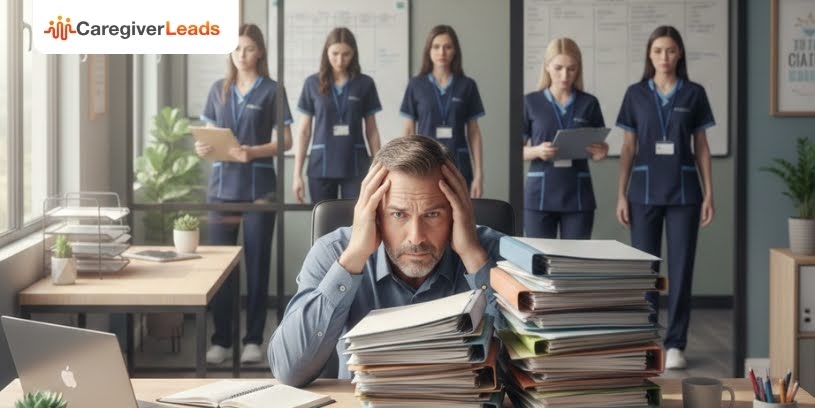
Home care agencies often believe that personal calls and emails are sufficient to keep candidates engaged. While these methods can feel personal, they often fail to meet the speed and consistency required. Relying on manual follow-ups introduces significant delays and creates gaps in communication.
Here’s a typical scenario in many home care agencies:
- A caregiver submits an application and expects a prompt acknowledgment.
- Recruiters are busy managing multiple candidates, leading to delayed responses.
- The caregiver grows frustrated, loses interest, or accepts another offer.
This communication breakdown results in ghosting, missed interviews, and lost recruitment opportunities. The issue isn’t that caregivers lack interest; rather, the process feels disconnected and unreliable. This problem can have long-term implications, including reputational damage and decreased staff morale as recruiters spend more time chasing leads that have already moved on.
Common Challenges with Traditional Follow-Up Methods
Manual Processes Are Time-Consuming
Many agencies still use spreadsheets, phone calls, or handwritten notes to track caregiver leads. This approach is labor-intensive and prone to human error. Recruiters may accidentally forget to follow up with a candidate, misplace contact information, or miss critical deadlines.
Inconsistent Communication Reduces Engagement
When follow-ups are inconsistent, caregivers perceive a lack of professionalism. Waiting days for a response to a simple inquiry can make candidates feel undervalued and increase the likelihood that they will pursue other opportunities.
High Risk of Ghosting and No-Shows
Ghosting when a candidate stops responding without explanation is a major issue in caregiver recruitment. Similarly, no-show interviews waste both the recruiter’s time and the candidate’s time. Slow, irregular follow-ups directly contribute to these challenges.
Difficulty Scaling Recruitment Efforts
As agencies grow and receive more applications, manual follow-ups become increasingly unmanageable. Without a systematic approach, agencies struggle to keep up with a high volume of leads, resulting in missed opportunities for hiring the best caregivers.
How Automated Follow-Ups Can Transform Caregiver Recruitment
Automation in caregiver recruitment addresses these challenges by ensuring consistent, timely, and personalized communication. By leveraging SMS and email automation, agencies can maintain engagement with candidates at every stage of the hiring process.
Building Trust Through Consistent Communication
Automated follow-ups ensure that each caregiver lead receives structured updates, from application acknowledgment to interview scheduling. This consistency fosters trust and demonstrates that the agency values the candidate’s time and effort. Candidates who feel appreciated and informed are more likely to stay engaged throughout the recruitment process.
Rapid Responses to Keep Caregivers Engaged
With automation, agencies can respond instantly to applications and inquiries. Whether it’s a thank-you message, interview confirmation, or onboarding reminder, timely responses make a strong impression and reduce the likelihood of losing candidates to competitors. Fast communication also helps prevent frustration and disengagement among caregivers.
Reducing No-Show Interviews
Automated reminders are highly effective at increasing interview attendance. Sending SMS or email reminders before scheduled interviews ensures that caregivers are informed and accountable. This simple step can significantly reduce wasted recruiter time and increase the number of successful hires.
Preventing Ghosting Through Nurturing Sequences
When caregiver leads stop responding, it often means they feel neglected or have moved on. Automated nurturing sequences re-engage these leads with timely follow-ups, reminders, and informative messages that rebuild interest and encourage two-way communication.
Enhancing Recruitment Efficiency
Recruitment teams spend a lot of time on repetitive tasks like scheduling confirmations, interview reminders, and post-interview follow-ups. Automation handles these tasks, freeing staff to focus on meaningful conversations, assessing caregiver skills, and improving the quality of hires. This increased efficiency not only improves recruitment outcomes but also reduces staff burnout.
SMS and Email: The Core of Effective Lead Nurturing
Combining SMS and email in a strategic automation plan creates a robust framework for caregiver lead engagement.
- SMS: Ideal for quick, time-sensitive messages such as interview confirmations, reminders, and immediate updates. SMS ensures that caregivers receive essential information promptly, which is particularly useful for urgent communications.
- Email: Best suited for sharing detailed information, including job descriptions, onboarding documents, benefits, or training materials. Email allows agencies to communicate important information in a structured, organized format.
When used together, SMS and email automation ensure that caregivers receive timely, relevant messages at every stage, reducing delays and improving engagement.
Real-World Examples of Automation Benefits
- Interview Attendance Improvement: Agencies that send automated text reminders for interviews often see attendance rates improve by 30-50%. Caregivers are less likely to forget or double-book, resulting in fewer wasted hours.
- Faster Time-to-Hire: Automated responses and follow-ups accelerate the recruitment process. Caregivers receive instant acknowledgment of applications and interview schedules, reducing the time between application and hiring.
- Better Candidate Experience: Structured communication ensures that caregivers feel informed and valued throughout the hiring process. This positive experience increases the likelihood that candidates will recommend the agency or reapply for future positions.
- Higher Retention of Top Caregivers: When caregivers experience efficient, professional communication from the start, they are more likely to stay with the agency long-term. Prompt follow-ups signal organizational reliability and respect for caregiver time.
Overcoming Hesitation About Automation
Some agencies hesitate to adopt automation, fearing it may feel impersonal. In reality, automation can enhance personalization. Modern systems allow messages to include the candidate’s name, position of interest, and other relevant details, creating a professional yet personal communication experience. Automation does not replace human interaction; it ensures that candidates are consistently engaged, freeing recruiters to focus on meaningful conversations when personal touch is most valuable.
Practical Steps for Implementing Automated Follow-Ups
- Map Your Recruitment Workflow: Identify every stage where candidate communication is needed, from initial application to onboarding.
- Set Up Automated Messages: Create templates for SMS and email communications, including confirmations, reminders, and follow-ups.
- Schedule Timely Follow-Ups: Determine the optimal timing for messages, such as immediate acknowledgment of applications and reminders 24 hours before interviews.
- Monitor and Adjust: Track metrics such as response rates, interview attendance, and candidate engagement to refine your approach.
- Balance Automation With Human Interaction: Use automation for routine updates, but maintain personal contact for interviews, questions, and final hiring decisions.
Why Agencies Can’t Afford to Wait
The home care industry is experiencing rapid growth, and caregiver demand is outpacing supply in many regions. Agencies that fail to implement timely follow-ups risk losing the best candidates, wasting resources on unproductive recruitment efforts, and damaging their reputation in the caregiver community. Slow follow-ups not only impact recruitment metrics but also affect long-term agency success by reducing caregiver retention and satisfaction.
Take Action Today with Caregiver Leads
Agencies looking to improve recruitment efficiency and retain top caregivers can benefit from structured automated follow-ups. Caregiver Leads offers solutions that help home care agencies implement SMS and email automation, ensuring every caregiver lead is engaged and nurtured consistently. By embracing these tools, agencies can streamline recruitment, reduce no-shows, and secure the best caregivers efficiently.
FAQs
1. Why are slow follow-ups such a critical issue in home care recruitment?
Slow follow-ups lead to candidate frustration, missed interviews, and lost hires. Fast, consistent communication is essential in a competitive hiring environment.
2. How does SMS automation benefit caregiver recruitment?
SMS allows agencies to send quick, timely messages, such as confirmations and reminders, ensuring caregivers stay informed and engaged.
3. Can automation replace human interaction with candidates?
No, automation complements personal communication. It handles routine updates, freeing recruiters to focus on meaningful, one-on-one conversations.
4. What metrics should agencies track to measure follow-up effectiveness?
Track interview attendance, application drop-offs, response times, and overall candidate engagement to evaluate recruitment success.
5. Are there solutions available to help implement automated follow-ups?
Yes, there are several platforms designed to help agencies implement structured SMS and email follow-ups, ensuring no caregiver lead is overlooked.